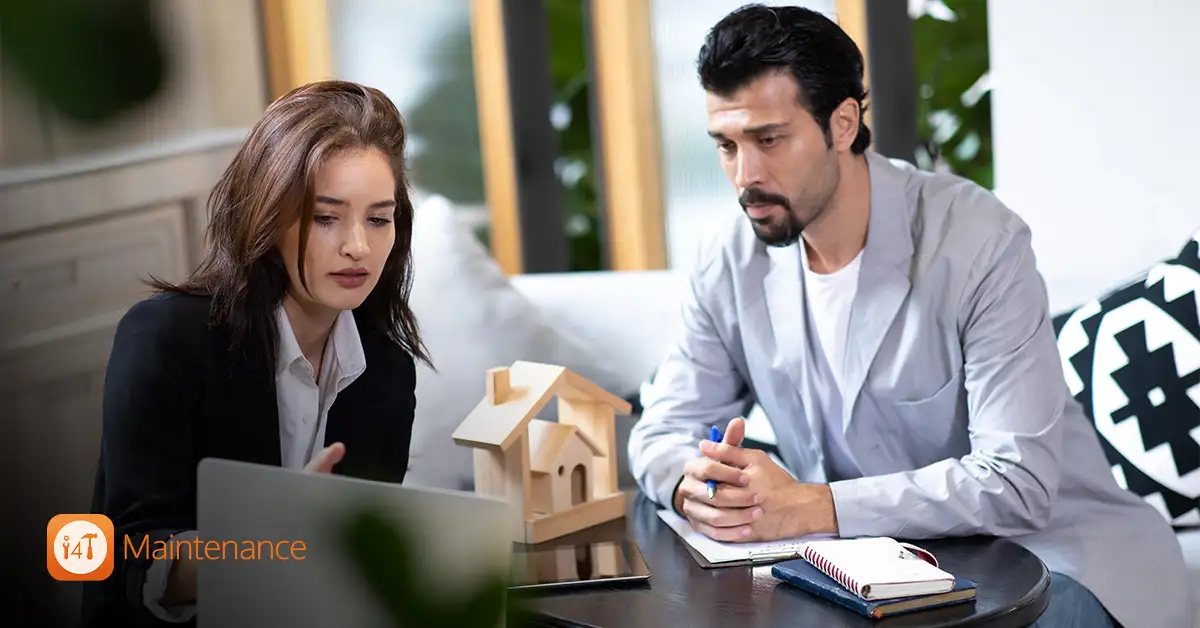
Strata managers across Australia face daily pressures managing expectations and service levels between property stakeholders. At the heart of these challenges is property manager and tenant communication, a critical link that often determines tenant satisfaction and operational success.
Communication breakdowns in strata are frequently less about individual personalities and more about the operational systems and processes that support interactions. Without clear, organised communication channels, responsibilities can blur and issues cascade, causing frustration on all sides.
The key takeaway: Improving communication between property managers and tenants is fundamentally about creating reliable systems that foster transparency, timely updates, and trust.
Why Property Manager and Tenant Communication Often Breaks Down in Strata
Communication failures in strata environments usually come down to a combination of systemic and practical issues. One primary cause is fragmented communication channels. When property managers, tenants, contractors, and strata committees communicate via emails, phone calls, text messages, and informal chats, information easily falls through the cracks.
Unclear responsibilities also create confusion. Tenants may not know who to contact for what, while property managers might lack clear guidelines on prioritising requests or providing updates. These unclear lines stall responses and multiply follow-up messages.
Another common breakdown is delayed updates during contractor scheduling and maintenance. Tenants often feel left out when they cannot track progress or know when issues will be resolved. Without integration between maintenance systems and communication tools, property managers struggle to keep everyone informed promptly.
Finally, the diversity of stakeholders in strata settings – including tenants, owners, contractors, strata committees, and multiple property managers – means different expectations collide, exacerbating communication gaps.
What Tenants Actually Expect From Property Communication
Tenants want their concerns heard promptly, and their communication needs are surprisingly straightforward. First and foremost, tenants expect acknowledgment, a confirmation that their issue has been received and is being actioned.
Clarity around what’s happening and when is vital. Tenants want realistic timeframes rather than vague promises. Transparency builds confidence, so they appreciate regular updates about progress and any changes to scheduling.
Importantly, tenants seek reassurance that their matter is being handled competently without unnecessary delays or passing the buck. Clear communication cultivates trust, which boosts satisfaction even when maintenance takes time.
In short, tenants value communication that is clear, consistent, timely, and transparent.
The Real Operational Cost of Poor Communication
Poor communication doesn’t just annoy tenants; it leads to real operational inefficiencies and costs for strata managers. When follow-ups pile up, administrative workloads increase, taking time away from critical tasks.
Repeated tenant complaints about unclear status updates or delays heighten stress and reduce morale. Frustrated tenants often escalate issues to strata committees or external authorities, risking reputational damage.
Moreover, poor communication can contribute to lease renewals dropping, increasing vacancy rates and financial impacts. The resulting cycle of dissatisfaction and inefficiency consumes resources and undermines effective strata operations.
In essence, ineffective communication translates into lost time, unnecessary conflict, and eroded stakeholder confidence – all costly consequences in strata management.
What Good Communication Looks Like During a Maintenance Request
The ideal communication flow during a maintenance request is a clear, time-sensitive journey that keeps tenants informed at every step. It starts when a tenant logs an issue, immediately triggering an automated acknowledgment that reassures them their request is received.
Next, the property manager assesses the issue’s urgency and schedules a contractor visit, communicated to the tenant with realistic timeframes. Tenants receive proactive updates if appointments change or delays occur.
On the repair day, tenants are notified when a contractor is dispatched or en route, further reducing uncertainty. Throughout the process, progress updates help tenants feel respected and engaged.
Once the job is complete, the property manager confirms the resolution and invites tenant feedback. This end-to-end transparency minimises repeated inquiries, keeps tenants calm, and strengthens overall trust.
Why a Tenant Communication System Matters
A tenant communication system is a centralised platform designed to manage and streamline all communications between property managers and tenants. This system integrates maintenance requests, updates, reminders, and feedback in one accessible place.
Such systems improve consistency by standardising message templates and processes, ensuring every tenant receives timely, professional communications. Visibility is enhanced as property managers can track all ongoing issues and refer to communication history easily.
Speed is another benefit; automation reduces delays in replies and updates. Most importantly, trust grows when tenants see their concerns managed transparently without gaps or contradictory information.
In the strata context, tenant communication systems serve as the backbone for smooth stakeholder engagement and operational efficiency.
What to Look For in Property Management Communication Software
When selecting property management communication software, focus on features that align with real-world strata workflows. Key functionalities include automated notifications for maintenance requests, scheduling tools, and real-time status updates.
Centralised communication logs are crucial so managers can quickly reference past conversations and avoid repeating information. Integration capabilities with contractor management and maintenance tracking software ensure seamless information flow.
User-friendly tenant portals empower renters to submit requests easily and monitor progress without calling the office constantly. Customisation options allow message templates and workflows to match the strata’s unique protocols.
Security and privacy compliance are essential due to sensitive tenant data. Lastly, cloud-based accessibility supports strata teams working remotely or across multiple sites.
In short, the right software connects all parties efficiently, reduces manual admin, and boosts tenant satisfaction.
How Better Maintenance Workflows Improve Communication
The quality of maintenance workflows directly impacts communication effectiveness. When job tracking is transparent and dispatch times visible, property managers can provide tenants with accurate, timely updates without guesswork.
Centralised records ensure that every service request is documented and accessible, preventing messages or details from being lost in silos. This transparency reduces tenant frustration and repeat enquiries.
Coordinating contractor schedules within the same system means fewer delays and faster resolution, which naturally elevates the communication experience.
Furthermore, by streamlining operational steps, from issue logging to completion, staff free up time to focus on clear, personalised tenant communication rather than chasing updates.
Practical Ways Strata Managers Can Improve Communication Immediately
Strata managers can start improving communication right away by consolidating contact channels into a single, dedicated line or portal. This reduces confusion for tenants wondering how best to reach out.
Setting clear expectations during lease sign-up about communication processes and response times lays a solid foundation of transparency. Providing tenants with a communication guide detailing who to contact for various issues supports this clarity.
Regularly updating tenants on upcoming maintenance plans or unexpected delays helps manage expectations and minimise dissatisfaction.
Training staff on clear, empathetic communication styles encourages positive interactions and reduces defensive responses to complaints.
Even small process changes, such as sending automated confirmation messages after service requests or routinely inviting tenant feedback post-maintenance, can markedly boost tenant confidence and satisfaction.
Why Communication Gets Harder as Strata Portfolios Grow
As strata portfolios expand, communication complexity rises dramatically. More buildings, tenants, contractors, and team members multiply interaction points and increase the risk of information loss or misinterpretation.
Larger teams often mean more handovers, so without standardised communication protocols and tools, messages can become inconsistent or contradictory.
Coordinating maintenance across numerous sites requires scalable systems that provide central oversight while allowing local flexibility.
Increased demand for rapid updates and digital access by tenants means strata managers must adopt technology solutions to keep pace without overwhelming manual processes.
Essentially, growth amplifies the need for robust communication workflows and integrated software tools to maintain service quality and tenant satisfaction.
Common Communication Mistakes Strata Managers Should Avoid
Many communication issues stem from avoidable missteps. One frequent mistake is ignoring follow-up messages or failing to acknowledge tenant concerns promptly, which causes frustration and erodes trust.
Another error is sharing vague or overly technical information that tenants don’t understand, creating confusion rather than clarity.
Inconsistent communication methods without a central source lead to mixed messages and overlooked requests.
Failing to keep tenants informed about delays or changes to maintenance schedules also damages goodwill, even if the delay is unavoidable.
Lastly, neglecting to provide tenants with clear contact details or a communication policy leaves them unsure how to escalate urgent issues.
The Future of Communication in Strata Management
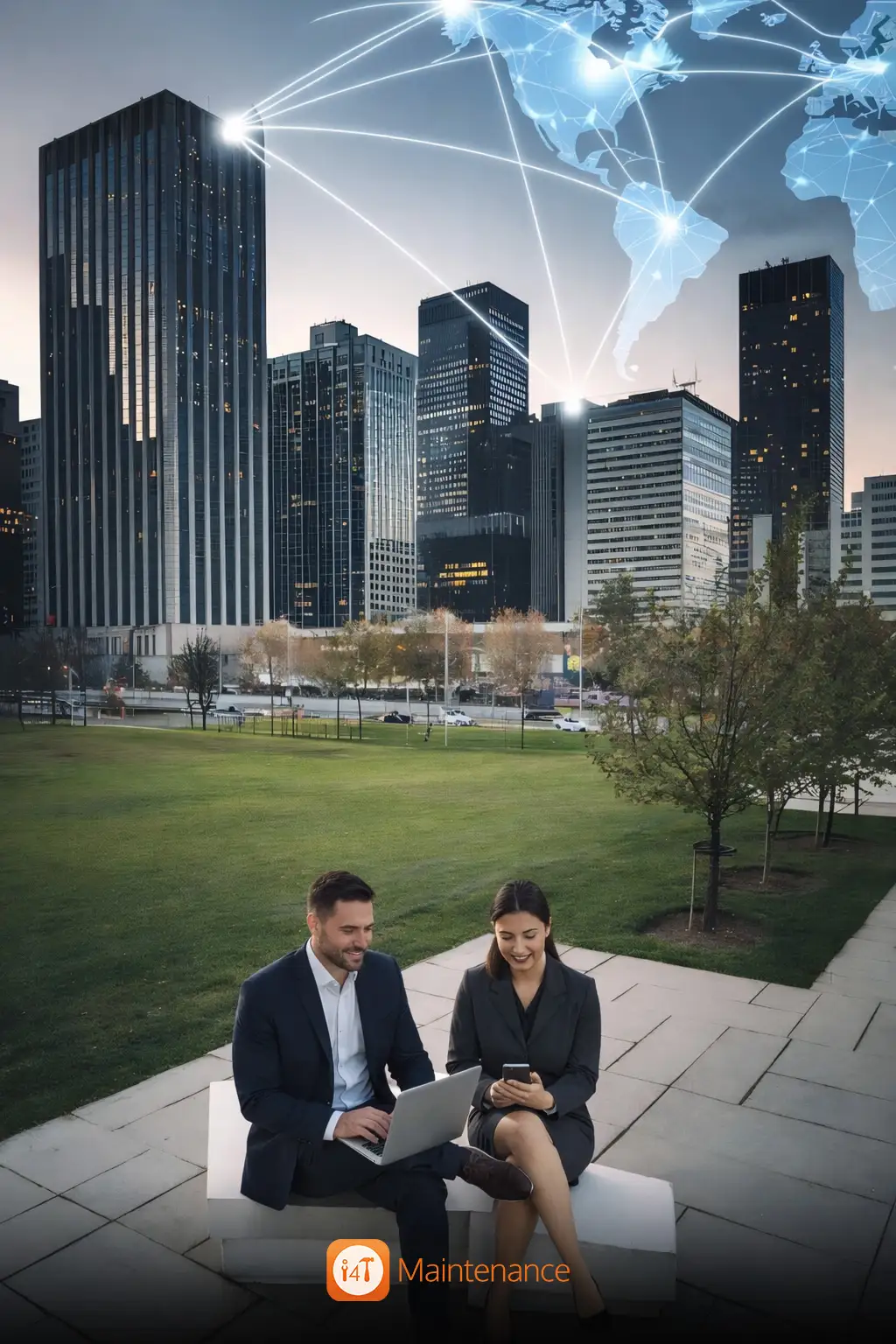
The future points toward increasing digital visibility and automation in strata communication. Tenants expect real-time updates accessible through mobile apps or online portals.
Artificial intelligence and automated workflows will streamline communication by promptly categorising requests, recommending actions, and sending timely updates without manual input.
Connectivity between maintenance management, contractor coordination, and tenant communication tools will offer a single source of truth, reducing confusion and delays.
As sustainability and smart building technology advance, automated alerts on issues like water leaks or energy wastage may integrate with tenant communication, enabling proactive rather than reactive management.
Adapting to these technologies while maintaining a personalised, empathetic communication style will define successful strata management in the years ahead.
Conclusion
Effective property manager and tenant communication lies at the heart of successful strata management. It is rarely just about people skills but fundamentally linked to the systems and workflows that support interactions.
Better communication results from streamlined maintenance processes, clear responsibilities, and the right tenant communication system or property management communication software.
i4T Maintenance – Maintenance Management Software provides transparency, timely updates, and realistic expectations, helping strata managers reduce complaints, cut administrative overhead, and create trusted relationships with tenants.
Ultimately, investing in upgraded communication strategies and technologies ensures smoother strata operations and happier communities.
Frequently Asked Questions
Property managers can improve communication by centralising contact points, providing timely acknowledgments, setting clear expectations, and using dedicated tenant communication systems that automate updates and track all interactions.
A tenant communication system is a software platform that consolidates all tenant interactions—including maintenance requests, scheduling, and updates—into one accessible, organised location, improving transparency and response times.
Communication is vital because it builds trust, manages tenant expectations, reduces complaints, and ensures smooth coordination of maintenance and operational tasks across multiple stakeholders.
Common causes include fragmented communication channels, unclear responsibilities, delayed updates during maintenance, diverse stakeholder expectations, and lack of integrated systems.
Effective software should offer automated notifications, scheduling tools, a centralised communication log, integration with maintenance workflows, tenant portals, customisable templates, and strong security features.
Maintenance software improves communication by tracking the progress of requests, providing real-time updates to tenants, scheduling contractor visits efficiently, and centralising communication history for clarity.
They can reduce complaints by proactively providing clear, regular updates about progress, setting realistic timeframes, promptly acknowledging requests, and using dedicated communication systems to avoid gaps.