
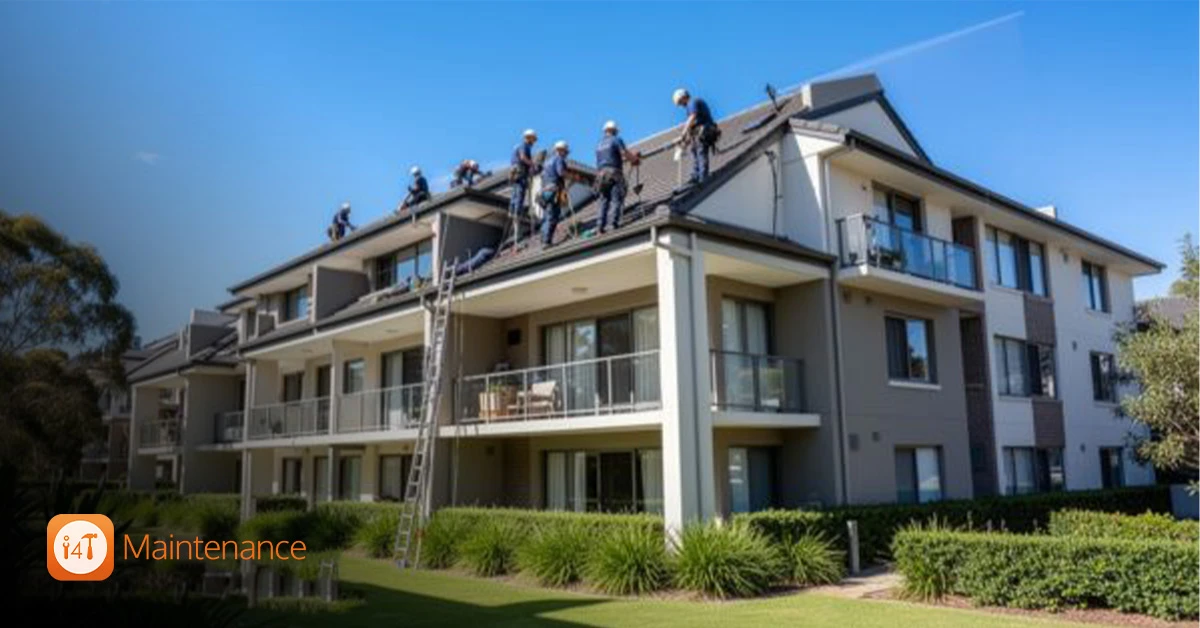
Many strata buildings across Australia find themselves overspending on maintenance simply because their approach is reactive rather than proactive. Handling repairs only when something breaks or causes urgent concern can lead to larger, more costly problems down the track, especially in strata environments where shared assets and common property affect multiple residents and service areas at once. Implementing a practical preventive maintenance checklist for strata building operations is crucial to keep maintenance costs manageable, minimise disruption, and protect the value of the property.
Why Preventive Maintenance Matters in Strata Buildings
Preventive maintenance is a planned approach to servicing and checking building components before problems escalate. Unlike reactive maintenance, which responds only after faults or damage occur, preventive maintenance anticipates issues and acts to prevent their development. In strata buildings, this approach is vital due to the complexity of shared assets, common property areas, and the need to coordinate services across multiple owners and residents.

Delaying routine checks in a strata setting often results in higher long-term costs. For example, a neglected roof leak can quickly lead to water damage in several units, while ignored electrical faults might compromise safety for the entire building. Since strata managers are accountable to committees and owners for budgets and compliance, timely preventive maintenance helps control expenses and ensures transparent, effective management of common property.
How a Preventive Maintenance Checklist for Strata Building Operations Helps Reduce Costs
A preventive maintenance checklist for strata building operations provides structure and consistency to maintenance tasks. By systematically addressing common preventive maintenance tasks for strata buildings, managers avoid costly surprises and service interruptions. Scheduled inspections can identify wear and deterioration early, extending the life of critical assets and enabling better budgeting thanks to predictable maintenance cycles.
This checklist also improves visibility and communication between strata managers, contractors, and committees. Having documented maintenance activities simplifies compliance reporting and builds confidence among residents by showing proactive care.
Ultimately, a well-maintained building runs more efficiently, protecting investment and saving thousands in emergency repairs and asset replacement.
How Often Should Strata Preventive Maintenance Be Scheduled?

Scheduling strata preventive maintenance requires balancing the criticality and condition of assets with seasonal and usage factors. Some tasks, like fire safety inspections or lift servicing, must be monthly or quarterly due to safety and compliance needs. Others, such as roof checks or façade inspections, are typically seasonal or annual, scheduled ahead of harsh weather periods.
While there’s no one-size-fits-all schedule, strata managers benefit from creating a maintenance calendar that prioritises tasks according to risk and asset lifespan. This reduces costly downtime and extends asset life by addressing issues before they escalate. A clear preventive maintenance schedule for strata buildings supports budgeting, planning, and timely contractor coordination.
Common Mistakes Strata Managers Make With a Building Maintenance Checklist
Many strata managers rely too heavily on reactive repairs rather than proactive checks, which undermines the value of a building maintenance checklist. Skipping seasonal inspections or failing to document and follow up on contractor recommendations can allow small faults to snowball into larger problems.
Another frequent error is lacking a centralised maintenance process, which leads to inconsistent communication and missed inspections. This often results in resident complaints and budget overruns. To optimise building upkeep, the checklist should be regularly reviewed, updated, and integrated with reporting and contractor management tools.
How to Build a Smarter Strata Preventive Maintenance Process
Creating an effective strata preventive maintenance process starts with detailed planning and asset tracking to ensure nothing is overlooked. Using digital tools to schedule recurring inspections and store service history helps strata managers monitor trends and plan ahead strategically.
Coordinating with reliable contractors and maintaining clear communication with strata committees improves accountability and decision-making. Documenting maintenance actions comprehensively avoids duplication and supports compliance. Regular reviews of the process and adapting to new risks or resident feedback makes maintenance smarter, more cost-effective, and less disruptive.
The Long-Term Value of Preventive Maintenance for Strata Managers
The benefits of preventive maintenance extend far beyond immediate savings. Strata managers experience fewer emergencies and unexpected repairs, which translates to more predictable budgets and less stress. Early interventions protect high-value assets, maintaining building integrity and market value over time.
Strong reporting and maintenance records support informed decision-making and enhance resident confidence in building management. By reducing disruption and avoiding costly breakdowns, preventive maintenance strengthens the overall community experience, making it a core pillar of successful strata building management.
Conclusion
Taking a proactive, structured approach using a comprehensive preventive maintenance checklist for strata building management is the key to avoiding unnecessary costs and operational headaches. Early detection and routine care reduce expensive repairs, minimise disruption for residents, and safeguard the investment in common property assets. Strata managers who prioritise preventive maintenance build stronger relationships with contractors and committees and enjoy smoother, more efficient building operations over the long haul.
To make this process easier and more reliable, consider using i4T Maintenance – Maintenance Management Software. This platform streamlines planning, recording, and tracking of recurring issues, coordinates contractors efficiently, centralises documentation, and ultimately supports smarter strata maintenance workflows. Investing in the right tools and strategies now pays dividends in savings, compliance, and community satisfaction.
Frequently Asked Questions
It’s a detailed list of routine inspections and servicing tasks designed to identify and address building maintenance needs before they escalate, protecting shared property and reducing costly repairs.
Schedules vary by asset type; high-risk systems like fire safety and lifts may need monthly or quarterly checks, while roofs and façades might be inspected seasonally or annually.
Key components such as roofs, gutters, plumbing, fire systems, electrical wiring, HVAC, façades, waterproofing, and mechanical plant should be routinely checked and maintained.
Because assets and common property are shared by multiple owners, early detection reduces disruption, avoids expensive repairs, and helps comply with safety and regulatory requirements.
Strata managers coordinate the maintenance process, but the strata committee oversees planning and budget approval; contractors perform the inspections and repairs.
By identifying issues early when they are simpler and cheaper to fix, it prevents small problems from evolving into major breakdowns that require costly emergency repairs.