
Managing strata properties in Australia comes with its fair share of challenges one of the most critical being maintenance management. Strata managers often find themselves navigating a maze of urgent repairs and planned upkeep, striving to keep residents safe, happy, and costs under control. A clear understanding of the difference between emergency maintenance in strata and scheduled maintenance property work is not just useful; it’s essential.
In this article, we’ll explore why separating emergency from scheduled maintenance matters, how to effectively prioritise jobs, the risks involved in misclassification, and how best practices and modern tools like i4T Maintenance can streamline your workflows. Whether you’re new to strata management or a seasoned pro, these insights will equip you to make smarter decisions and keep your strata running smoothly.
Why Understanding Emergency Maintenance in Strata Matters
Strata managers juggle many responsibilities, but maintenance is often the most visible and impactful. Failing to distinguish between emergency maintenance in strata and scheduled upkeep not only costs money but can expose residents to serious safety risks and breach legal obligations.
Emergency maintenance requires rapid response to fix issues that pose immediate danger or disrupt essential services think burst water pipes flooding common areas or faulty electrical systems sparking hazards. Scheduled maintenance property work, on the other hand, is planned to prevent breakdowns and preserve asset condition over time. Without clear differentiation, reactive firefighting can dominate your maintenance budget and exhaust your team.
Recognising these differences helps you prioritise work effectively, allocate budgets wisely, and communicate transparently with owners and tenants. It also supports compliance with strata laws and duty of care responsibilities, shielding committees from liability.
What Exactly Is Emergency Maintenance in Strata?
Emergency maintenance in strata covers urgent repairs that require immediate attention to address safety hazards, prevent major property damage, or restore crucial services. Common examples include flooding from broken water mains, electrical faults causing power outages or fire risks, gas leaks, lift failures trapping residents, or security breaches impacting building safety.
These issues can’t wait for scheduled work because delays might escalate problems or endanger residents. Quick decisions and fast action are key, often necessitating after-hours call-outs, fast contractor mobilisation, and clear communication to affected residents.
Strata managers must be adept at recognising emergencies, activating emergency plans, and ensuring contractors follow through promptly and professionally. Knowing what qualifies as an emergency prevents unnecessary panic while ensuring real issues get the priority they deserve.
Scheduled Maintenance Property Work: The Preventative Backbone

Scheduled maintenance property tasks are those planned in advance to sustain building health, extend asset life, and reduce the need for emergency fixes. Think of roof inspections, gutter cleaning, HVAC servicing, fire alarm testing, and repainting common areas. These are usually performed on cycles ranging from monthly to annually, depending on asset type and manufacturer recommendations.
Unlike emergency repairs, scheduled maintenance is all about foresight and prevention. It keeps systems running smoothly and avoids costly breakdowns. Allocating funds and labour to scheduled tasks is a cost-effective strategy that pays dividends in the long run.
Successful strata management teams incorporate scheduled maintenance into the annual budget and calendar, ensuring all stakeholders understand when and why tasks occur. This transparency fosters goodwill by reducing surprise disruptions and improves contractor relationships by providing predictable work schedules.
Triage and Prioritisation: How Strata Managers Should Handle Maintenance Requests
Differentiating the urgency of maintenance requests is a crucial daily skill for strata managers. When a problem is reported, you need to quickly assess whether it’s an emergency requiring immediate action, or a scheduled job that can wait until the next planned maintenance window.
This triage process involves understanding the impact on resident safety, building integrity, and essential services. For example, a leaking tap in a resident’s unit may be a low-priority item, while a gas leak in a common area demands instant response. Good communication with residents about expected timelines helps manage expectations and reduces complaints.
Using a structured emergency maintenance checklist for strata can aid consistent decision-making, ensuring nothing critical slips through the cracks. Clear escalation protocols for after-hours emergencies also empower your team to act decisively and keep the strata secure.
Common Grey Areas and Challenges in Maintenance Classification
Not all maintenance issues neatly fit into emergency or scheduled categories. Sometimes a fault can start as minor but develop rapidly into an emergency. Burst pipes often leak at first but can quickly flood areas and cause structural damage. A compromised fencing panel might pose a security risk but generally is less urgent than electrical hazards.
These grey areas require a mixture of judgement, experience, and sometimes input from contractors or technical experts. Establishing guidelines within your strata maintenance guide for handling ambiguous cases helps reduce uncertainty.
It’s also common to see emergency work creep into ‘routine’ tasks when maintenance schedules slip or budgets get tight. Over-reliance on reactive repairs indicates your preventative systems need reviewing to avoid spiralling costs and dissatisfied residents.
The Cost Implications of Emergency vs Scheduled Maintenance
Emergency maintenance in strata typically incurs higher costs due to urgently mobilised contractors, out-of-hours call-outs, expedited parts delivery, and potential damage escalation. Budgeting for unpredictable emergencies is a challenge few strata managers relish but it’s unavoidable.
Conversely, scheduled maintenance allows for cost smoothing and better financial planning. Contractors can be booked during regular hours, bulk purchasing of parts and materials is possible, and early fault detection can prevent expensive replacements.
By tracking and analysing maintenance costs, strata managers can identify whether their portfolio suffers from excessive reactive repairs and adjust strategies accordingly. Investing in robust scheduled maintenance can dramatically reduce the frequency and severity of emergency incidents, bringing long-term savings.
Safety, Compliance and Duty of Care in Strata Maintenance
Australian strata laws impose a strict duty of care on managers and committees to provide safe living environments. This responsibility intensifies in emergencies where failure to act quickly can lead to injury, property damage, or legal repercussions.
Emergency maintenance in strata therefore isn’t just about fixing problems fast it’s a legal obligation to prevent harm. Maintaining safety equipment like fire alarms, emergency lighting, and secure entry points requires both scheduled testing and rapid fault correction.
Failure to classify and address emergencies correctly risks non-compliance with safety codes and insurance policies. Regular audits and well-documented maintenance records reassure owners and insurers that strata managers are meeting their obligations.
Communication: Keeping Residents, Committees, and Contractors Aligned
Effective communication is the glue that holds strata maintenance management together. For emergencies, timely notifications to residents about affected services or safety precautions reduce anxiety and complaints. Committees need status updates and cost implications to make informed decisions.
For scheduled maintenance property work, advance notice detailing scope, timing, and potential disruptions shows respect for residents’ routines and builds trust. Coordinating contractors properly ensures work happens on schedule, with clear quality and safety expectations.
Tools that centralise maintenance requests, logs, and contractor communications streamline processes and eliminate lost messages or duplicated efforts. Transparent records also support dispute resolution if conflicts arise.
How Digital Maintenance Systems Improve Strata Maintenance Workflows
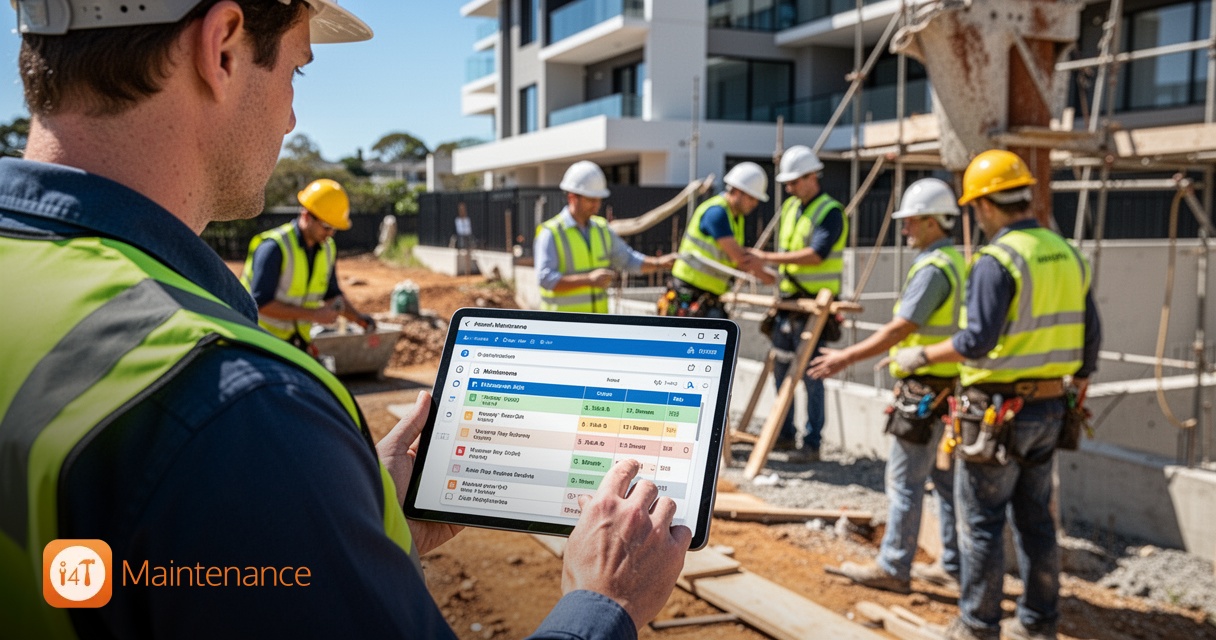
Technology is transforming how strata managers handle maintenance challenges. Platforms like i4T Maintenance provide a single interface to log and categorise requests, track job progress, schedule routine tasks, and communicate with stakeholders.
Using a digital system reduces paperwork and manual coordination, freeing managers to focus on higher-value activities such as planning and risk management. Real-time visibility across all maintenance activity helps anticipate problems before they become emergencies and supports data-driven budgeting and contractor performance analysis.
For strata managers looking to reduce costly reactive maintenance and improve resident satisfaction, adopting maintenance management software is a game changer. It enables smarter, more transparent, and efficient operations that benefit everyone involved.
How i4T Maintenance Supports Better Strata Maintenance Workflows
i4T Maintenance is designed with the unique needs of Australian strata managers in mind. It allows easy differentiation between emergency maintenance in strata and scheduled property maintenance, helping you prioritise, document, and track issues efficiently.
With i4T, you can build customised emergency checklists, auto-notify contractors, and keep residents and committees informed through integrated communication tools. The platform’s reporting features support compliance cases and reveal trends for continual process improvement.
By consolidating urgent and planned jobs in one place, i4T Maintenance enhances visibility, reduces risks related to misclassification, and streamlines contractor management. This leads to fewer unexpected disruptions, better cost control, and smoother strata maintenance workflows overall.
Conclusion
Understanding the clear distinction between emergency maintenance in strata and scheduled maintenance property work is vital for every strata manager in Australia. It affects resident safety, compliance, budgeting, and overall community satisfaction. By mastering triage, investing in preventative maintenance, and embracing digital tools like i4T Maintenance, you can reduce the expensive cycle of reactive repairs and create more predictable, manageable maintenance outcomes.
Good communication and strong processes ensure all parties—from contractors to residents—stay informed and confident that their strata community is well cared for. Emergency maintenance doesn’t have to dominate your workflow if you prioritise scheduled upkeep and maintain a proactive stance. With the insights and strategies covered here, you are better equipped to lead your strata through effective, efficient, and safest maintenance management.
Frequently Asked Questions
Emergency maintenance in strata involves urgent repairs needed immediately to fix safety hazards, prevent significant property damage, or restore essential services like plumbing or electricity.
Strata managers evaluate factors like risk to safety, potential for further damage, and impact on services to triage whether a maintenance request requires immediate action or can be scheduled.
Frequent emergency maintenance often signals poor preventative planning, leading to higher costs, resident dissatisfaction, and increased risk, which scheduled maintenance aims to prevent.
Scheduled maintenance helps identify and fix faults early, maintain building systems, and prevent breakdowns, significantly reducing the need for expensive emergency repairs.
Clear communication informs residents and committees about the issue, timelines, and safety measures, reducing confusion and anxiety during urgent repairs.
Digital maintenance platforms centralise job management, improve visibility of tasks, streamline contractor coordination, and reduce reactive maintenance by enabling better planning.
Maintenance should be scheduled regularly based on asset requirements, manufacturer guidelines, and legal compliance cycles to maintain building health and prevent emergencies.