
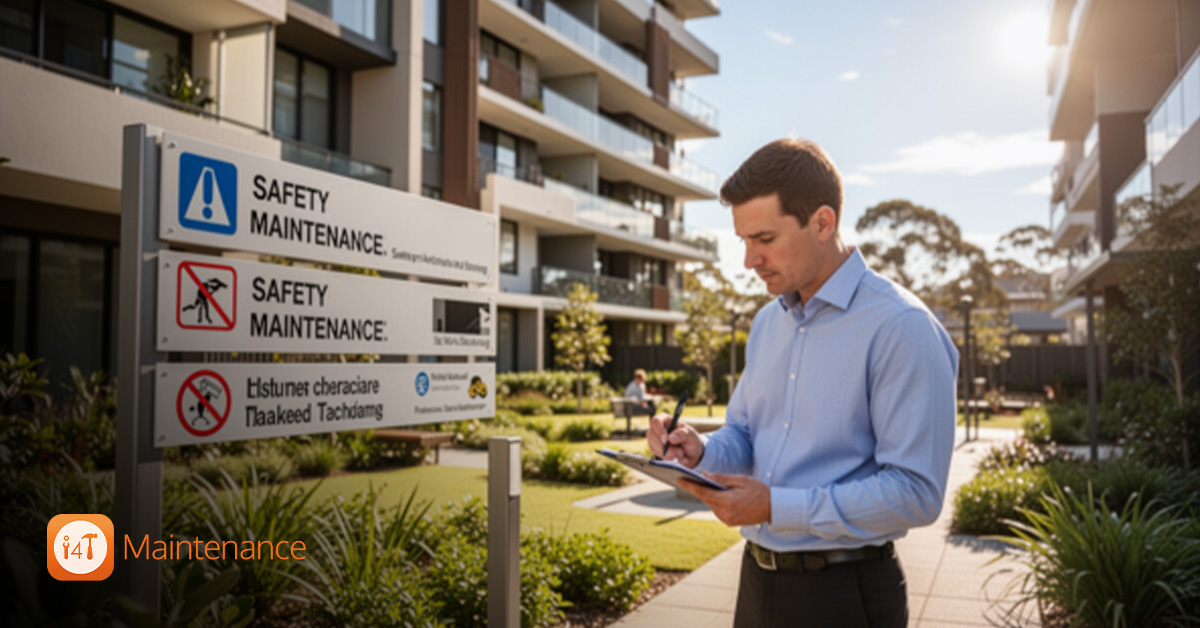
For any strata manager in Australia, staying on top of compliance is crucial yet often challenging. The multifaceted nature of strata schemes means there are countless maintenance and safety obligations to juggle, and missing even one can cause major headaches. That’s why having a clear, easy-to-follow strata compliance checklist for Australia is a game changer. It helps you organise essential tasks, stay within legal requirements, and ensure residents feel safe and cared for.
In this article, we’ll walk you through everything you need to know about property maintenance compliance and strata safety requirements. Whether you’re new to strata management or a seasoned pro, this guide breaks down the critical areas you need to focus on so you can streamline your maintenance workflows with confidence and ease.
Understanding Your Strata Compliance Checklist for Australia
When we talk about a strata compliance checklist for Australia, we mean a practical list of all the inspections, repairs, and documentation that keep your strata building legally compliant and operationally sound. It includes everything from fire safety checks to building structure inspections, and addressing these systematically reduces risks and keeps all stakeholders happy.
Remember, strata schemes vary by size, age, and location, so the checklist should reflect the specific needs of your property while following the minimum legal standards set by your state or territory.
1. Regular Fire Safety Audits
Fire safety is non-negotiable for strata managers. Australian regulations require regular inspections of smoke alarms, fire extinguishers, emergency lighting, and exit signage. Faulty fire equipment can lead to fines or even endanger lives.
Scheduling these audits at least twice a year and keeping accurate records forms a key part of your strata safety requirements. It’s wise to engage qualified fire safety professionals to ensure all equipment meets current standards.
2. Building Structure and Common Area Inspections
Property maintenance compliance extends beyond obvious things like gardens and hallways. Your checklist must include comprehensive building inspections such as roofing, walls, balconies, and load-bearing elements. Regular condition reports can spot problems before they escalate.
For example, spotting rust in a steel balustrade early can prevent costly repairs and safety risks later. These inspections should happen annually, with follow-up actions tracked diligently.
3. Electrical Safety Checks
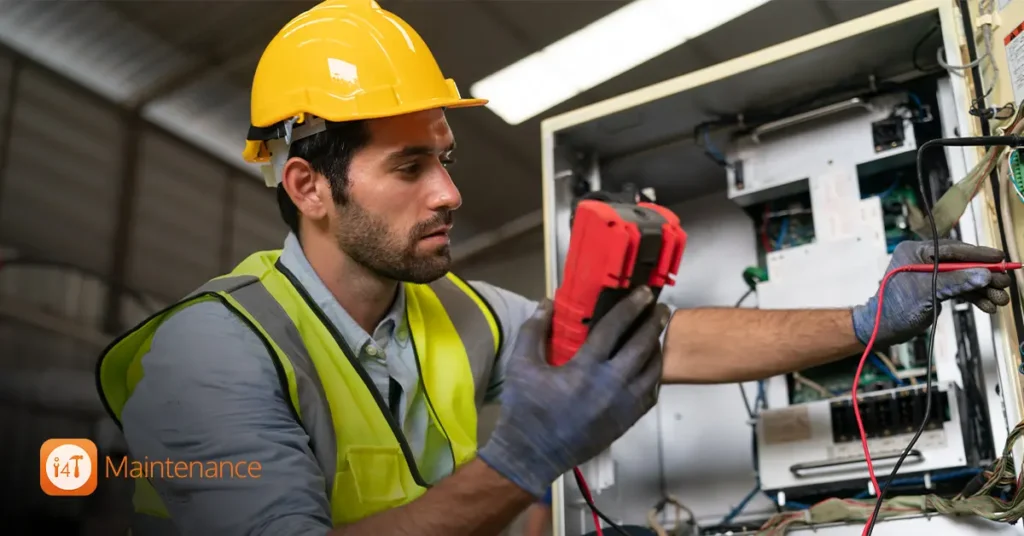
Electrical systems in strata complexes can be complex and extensive. Periodic testing of switchboards, safety switches, common area lighting, and intercoms is a must under strata compliance rules in Australia.
Failing to maintain electrical safety not only risks outages but also endangers residents and invites hefty penalties. Qualified electricians should carry out these checks annually or more often if directed.
4. Plumbing and Drainage Maintenance
Keeping plumbing and drainage systems in check prevents water damage and disputes between owners. Your strata compliance checklist for Australia should include clearance of gutters, checking pipes for leaks, and ensuring pumps and backflow prevention devices are functioning properly.
Scheduled maintenance every 6–12 months is recommended, with urgent repairs promptly addressed to avoid costly damage.
5. Landscaping and Common Area Upkeep
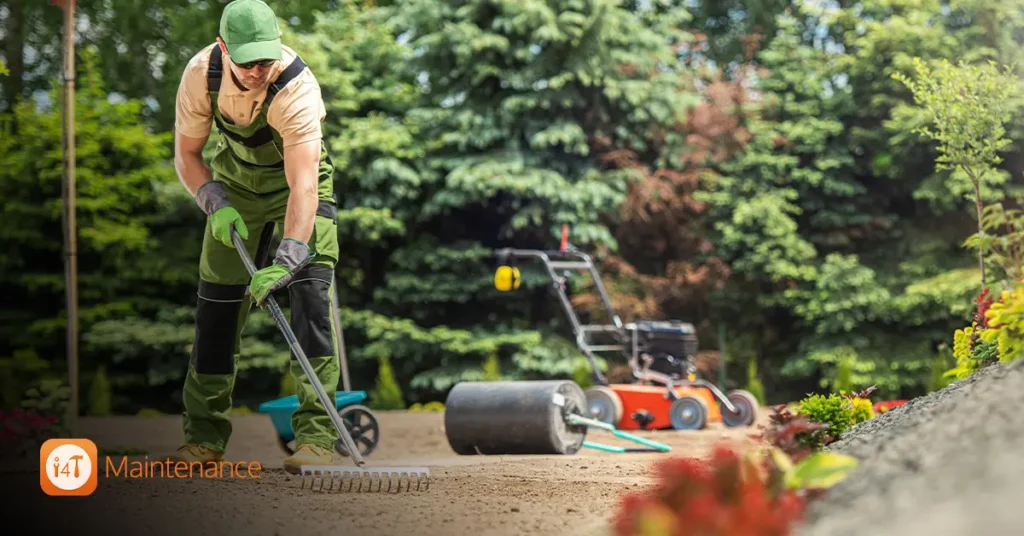
While it might seem straightforward, maintaining gardens, pathways, and recreational areas falls squarely under property maintenance compliance. Overgrown trees near buildings or cracked paving can cause safety hazards.
Regular maintenance keeps the place looking great and prevents accidents. Also, managing waste disposal and pest control is important to maintain a healthy community environment.
6. Elevators and Mechanical Systems Testing
If your strata includes lifts or other mechanical systems, they require routine safety inspections and certifications. Australia has strict standards for lift safety, meaning a compliance-certified technician should conduct tests annually or as mandated.
Failing to comply jeopardises safety and can shut down critical amenities for residents.
7. Strata Safety Requirements for Security Systems
Security features such as CCTV, intercoms, and controlled access points should be regularly tested and maintained. These systems protect residents and assets and are often part of strata bylaws.
Ensure regular updates and functional checks are recorded on your strata compliance checklist for Australia.
8. Documentation and Record Keeping
Keeping thorough records of all inspections, repairs, licences, and compliance certificates is essential. Good documentation supports audits by regulatory bodies and protects your strata committee if disputes arise.
Use digital tools to store and organise this info, making retrieval for compliance purposes seamless.
9. Communication With Residents and Strata Committee
Clear, timely communication helps residents understand compliance efforts and maintenance schedules. It also encourages cooperation which is vital for smooth operations.
Consider regular newsletters or digital platforms to keep everyone updated on strata safety requirements and maintenance plans.
Leveraging Property Maintenance Automation for Efficiency
To keep on top of all these tasks without feeling overwhelmed, property maintenance automation is your best mate. Automating reminders, work orders, and compliance tracking frees up time and reduces human error.
Tools like i4T Maintenance help strata managers streamline tasks, store records centrally, and ensure no compliance items slip through the cracks, making your job easier and more efficient.
Book a demo today!
Frequently Asked Questions
It’s a detailed list of maintenance, safety checks, and legal obligations strata managers must regularly perform according to Australian regulations.
At least twice a year, with records kept to prove compliance.
Yes, annual inspections by qualified electricians are required to ensure the safety of electrical systems.
Absolutely. Automation helps manage schedules, documentation, and communications efficiently, reducing errors and saving time.
Yes, requirements differ by state and territory, so it’s important to confirm local obligations.