
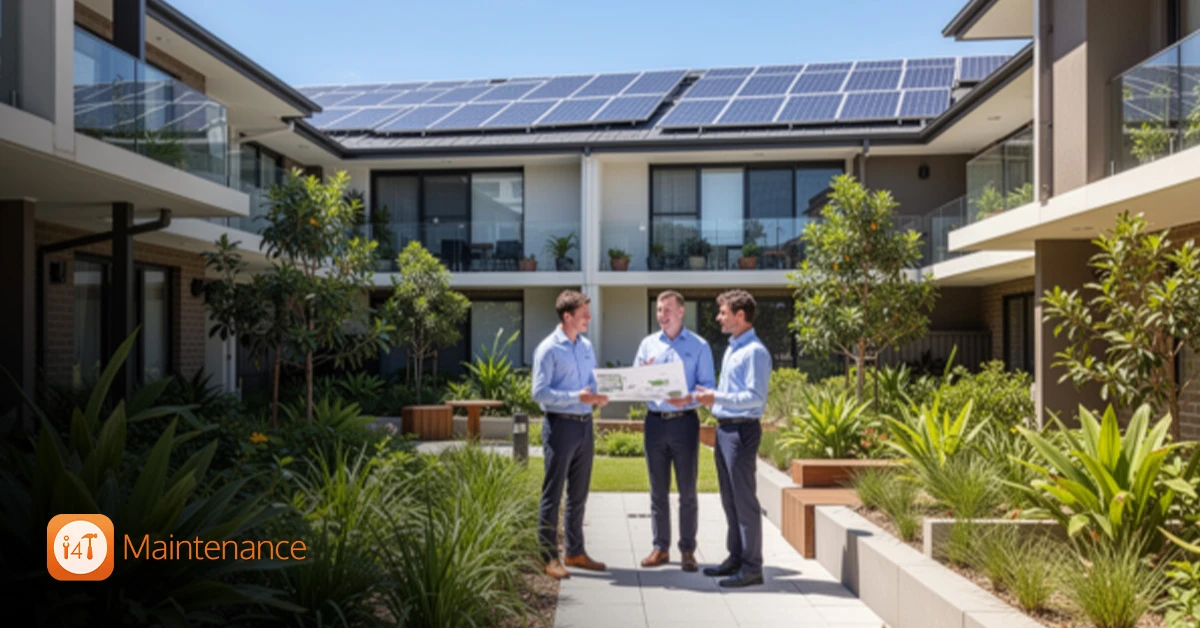
Sustainable property maintenance is becoming an essential part of managing strata complexes across Australia. With rising energy costs and an increasing focus on environmental responsibility, strata managers are seeking practical and effective ways to reduce waste and energy use in their buildings.
Understanding how to implement energy-efficient building maintenance and practical strata sustainability strategies can help minimise costs while supporting environmental goals. Whether you’re new to strata management or a seasoned pro, this guide will walk you through everything you need to know about sustainable property maintenance.
Understanding Sustainable Property Maintenance
Sustainable property maintenance involves carrying out upkeep and repairs with a focus on minimising environmental impact. It’s not just about saving the planet; it’s also about reducing operational costs and increasing the long-term value of properties. This approach prioritises efficient resource use, reducing waste, and lowering energy consumption, all while maintaining a safe and comfortable living environment for residents.
Why Waste Reduction Matters in Strata Maintenance
Reducing waste is a cornerstone of sustainable property maintenance. Strata complexes generate waste from repairs, renovation materials, and everyday operations. Waste reduction means less landfill, fewer greenhouse gases, and substantial cost savings.
By adopting practical waste reduction techniques, strata managers can improve recycling efforts, reduce unnecessary purchases, and repurpose materials wherever possible. The benefits go beyond environment; cutting waste also means a leaner budget and a streamlined maintenance operation.
Key Energy-Efficient Building Maintenance Practices
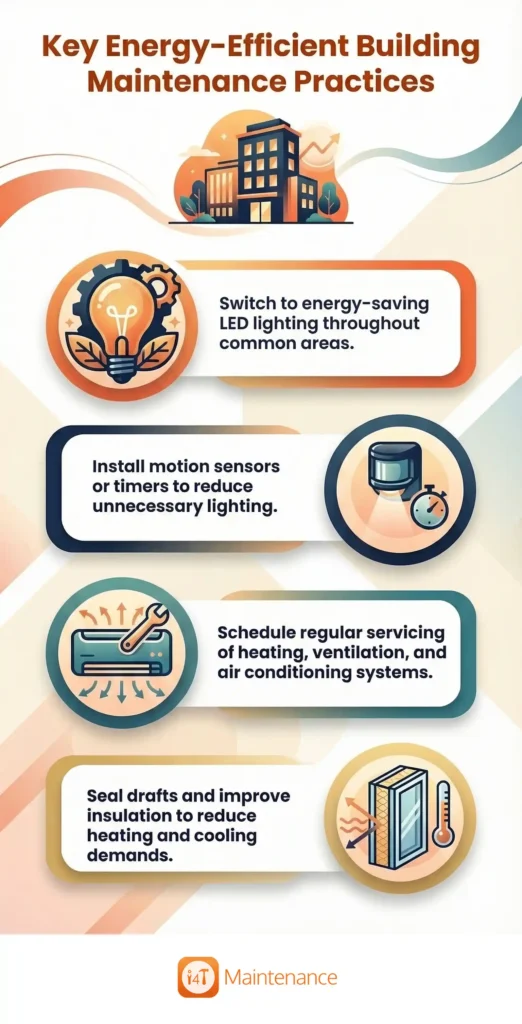
Energy-efficient building maintenance is a critical part of sustainable property maintenance. It involves optimising building systems to use less energy without compromising performance or comfort. This could range from upgrading lighting to LED, maintaining HVAC systems regularly, to installing smart sensors that adjust energy use automatically.
Regular maintenance helps prevent energy loss caused by faults or inefficient equipment. For strata managers, focussing on energy efficiency also supports the broader goal of sustainability and helps meet regulatory standards.
- Switch to energy-saving LED lighting throughout common areas.
- Schedule regular servicing of heating, ventilation, and air conditioning systems.
- Install motion sensors or timers to reduce unnecessary lighting.
- Seal drafts and improve insulation to reduce heating and cooling demands.
Strata Sustainability Strategies That Work
Implementing strata sustainability strategies requires collaboration between strata managers, residents, and contractors. Successful initiatives often begin with a sustainability plan that sets clear goals and measures progress. Common strategies include water-saving fixtures, solar panel installations, and community education programs on recycling.
Transparency and communication are vital. By engaging residents with sustainability goals, strata managers can foster a green community culture that supports ongoing improvements and compliance.
- Develop a tailored sustainability plan focussing on waste and energy reduction.
- Encourage resident participation through newsletters and workshops on eco-friendly living.
- Invest in water-efficient fittings and garden irrigation systems.
- Explore opportunities for solar power and battery storage installations.
Using Technology to Boost Sustainability in Property Maintenance
Technology can significantly strengthen sustainable property maintenance efforts. Maintenance management software can streamline workflows, track maintenance histories, and help prioritise energy-efficient upgrades.
Smart tech integration enables real-time monitoring of energy use and identifies inefficiencies quickly. For strata managers, the advantage lies in making data-driven decisions that balance cost, efficiency, and sustainability.
Choosing Sustainable Materials and Supplies
Opting for sustainable materials during maintenance and repairs reduces environmental impact noticeably. This includes using recycled or low-impact materials, non-toxic paints, and eco-friendly cleaning products.
Choosing local suppliers reduces transportation emissions and supports the community. Being mindful of product lifecycles and durability also means maintenance tasks can be spaced out more, saving resources in the long term.
Maintaining Green Spaces Responsibly
Green spaces add value and wellbeing to strata properties. Sustainable care of gardens and grounds helps reduce water consumption and chemical use.
Using drought-resistant native plants, installing efficient irrigation systems, and practising organic gardening are among the best practices. These measures support biodiversity and reduce environmental footprint while keeping communal outdoor areas attractive and healthy.
Managing Waste Efficiently in Strata Complexes
Efficient waste management is a major focus for sustainable property maintenance. Strata complexes often struggle with managing general waste, recyclables, and bulky items effectively.
Introducing clear sorting bins, arranging regular bulk waste collections, and educating residents about waste sorting can make a huge difference. Keeping waste streams clean reduces contamination and maximises recycling rates.
- Set up clearly labelled bins in accessible common areas.
- Organise periodic bulky waste pickups in partnership with local councils.
- Promote community recycling events and information sessions.
Water Conservation and Its Role in Sustainability
Water conservation complements energy efficiency and waste reduction in sustainable property maintenance. Regular checks for leaks, installing water-saving devices, and harvesting rainwater can result in significant savings.
Strata sustainability strategies often include upgrades to taps, toilets, and irrigation systems with water efficiency in mind, reducing both water bills and environmental impact.
Building a Long-Term Sustainable Maintenance Plan
Long-term planning is essential to ensure ongoing success in sustainable property maintenance. Strata managers should aim to create adaptable maintenance plans that reflect current industry best practices and evolving sustainability standards.
Documenting maintenance schedules, tracking energy and waste metrics, and committing to continuous improvements helps create resilient communities and healthier environments.
- Develop a maintenance calendar with clear sustainability goals.
- Review and update plans annually to incorporate new technologies and regulations.
- Involve residents and contractors regularly to foster a team approach.
Frequently Asked Questions
It means carrying out maintenance tasks that reduce environmental impact, minimise waste, and lower energy costs while keeping the property functional and safe.
By adopting energy-efficient building maintenance such as upgrading lighting, maintaining HVAC systems properly, and using smart energy controls.
Implementing recycling programs, organising bulk waste collections, and educating residents on sorting and reducing waste.
They reduce utility bills, improve living conditions, increase property value, and contribute to environmental protection.
No, requirements may vary by state or territory. It’s important to confirm specific obligations locally before implementing strategies.