
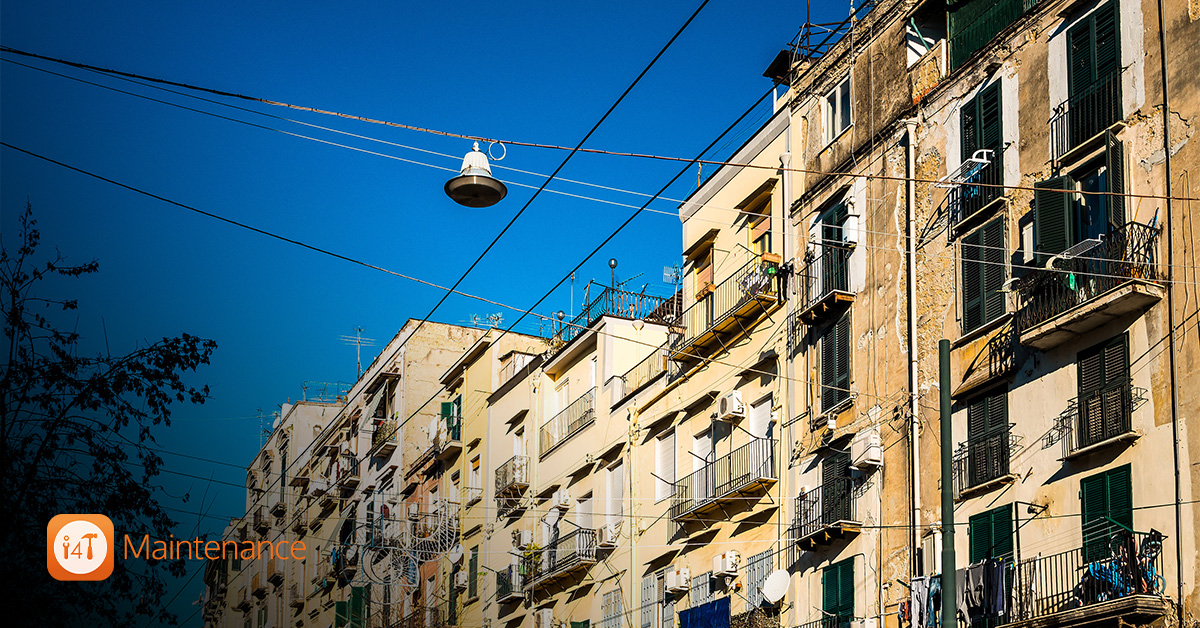
Across Australia, a growing number of strata schemes are now in the “ageing” category – 25, 30, even 50+ years old. As buildings get older, wear and tear piles up, systems become less efficient, and compliance obligations get stricter. The result? Rising maintenance costs and some very tough budget conversations at committee meetings.
Recent research and submissions from Strata Community Association (SCA) have highlighted that many older strata buildings are struggling with the cost of repairs, upgrades and compliance, prompting governments to review strata laws, capital works requirements, and reserve funds so schemes can better plan long-term maintenance.
For strata managers and committees, the challenge is balancing:
- Safety and legal obligations
- Residents’ comfort and amenity
- Long-term asset value
- The reality of owners’ budgets and levy fatigue
This article walks through budget-friendly maintenance ideas for older strata buildings that focus on planning, prevention and smarter decision-making. We’ll also touch on how to reduce strata maintenance costs using better data, better scheduling and better communication, including how digital tools can help with planning maintenance for ageing apartment buildings.
1. Start with a Data-Driven Condition Assessment
Before you can control costs, you need a clear, honest picture of the building’s health. For older strata buildings, that means more than just “we know the roof leaks sometimes”.
A proper condition assessment brings in qualified professionals – building consultants, engineers, fire safety specialists and other experts – to systematically review the common property. They’ll identify which issues are urgent, which are emerging, and which can safely be planned for in a few years’ time.
From there, you can build a realistic capital works plan and budget, instead of reacting to each crisis as it pops up. This shifts conversations from “we can’t afford this” to “when and how will we fund this”.
Steps to take:
- Engage a professional condition report for key elements (roof, façade, waterproofing, balconies, fire systems, lifts).
- Create a simple asset register listing age, condition, and estimated remaining life of major components.
- Use the report as the foundation for a 3–10 year capital works plan, not just next year’s budget.
- Store all reports and photos in a central, digital maintenance platform so nothing gets lost.
2. Prioritise Safety & Compliance Over Cosmetic Upgrades

In older schemes, it can be tempting to tackle the “visible” issues first; faded paint, dated lobbies, tired carpets. But when budgets are tight, life safety and legal compliance must come first.
Strata laws and WHS responsibilities require schemes to keep common property safe, manage risks, and ensure essential services such as fire systems, lifts, emergency lighting and structural elements are properly maintained. Ignoring these in favour of cosmetic works can lead to serious incidents, insurance problems and regulatory action – all of which are far more expensive in the long run.
So, when you’re planning maintenance for ageing apartment buildings, adopt a clear hierarchy: safety, compliance, building integrity, then aesthetics.
Practical ways to prioritise:
- Classify all requested works as critical, important, or nice to have.
- Fund fire, electrical, structural and WHS-related items before cosmetic upgrades.
- Use a simple risk score based on likelihood and impact to rank competing projects.
- Communicate clearly with owners about why some works have to jump the queue.
3. Shift from Reactive to Preventive Maintenance
Nothing drains an older building’s budget like constant reactive repairs – the “call the plumber now, we’ve got water everywhere” type of jobs.
Preventive maintenance flips this model. Instead of waiting for things to break, you schedule regular inspections and service tasks to keep assets in good condition. Over time, this significantly cuts emergency call-outs, reduces damage, and extends asset life – a core strategy in how to reduce strata maintenance costs.
Think of it as servicing your car: regular oil changes cost money, but not as much as a blown engine.
For older strata buildings, simple preventive tasks can make a huge difference:
- Schedule regular gutter and roof cleaning to prevent leaks and water ingress.
- Maintain lifts, pumps and ventilation systems according to manufacturer recommendations.
- Implement routine checks of balustrades, handrails, steps and lighting for safety risks.
- Use strata maintenance software to build a preventive maintenance calendar with automated reminders and task tracking.
4. Plan Multi-Year Budgets and Capital Works Programs
Older buildings rarely face just one big job. It’s usually a pipeline: roof, balconies, waterproofing, façades, lifts, fire systems, repainting – all competing for limited funds.
Trying to fund this year-by-year almost guarantees special levies and last-minute panic. Instead, you need a multi-year capital works program that stages projects and spreads costs in a manageable way.
This is the heart of planning maintenance for ageing apartment buildings. A multi-year plan helps you anticipate major works before they become urgent, budget accordingly, and provide a transparent roadmap to owners and prospective buyers.
To keep it practical:
- Start with a 3–5 year plan if a 10-year view feels too big at first.
- Link each major project to estimated cost, timing, and risk if deferred.
- Review and adjust the program annually after your AGM and condition updates.
- Track actual spend vs forecast in your maintenance software so you can refine estimates.
5. Bundle Works and Negotiate Smarter with Trades
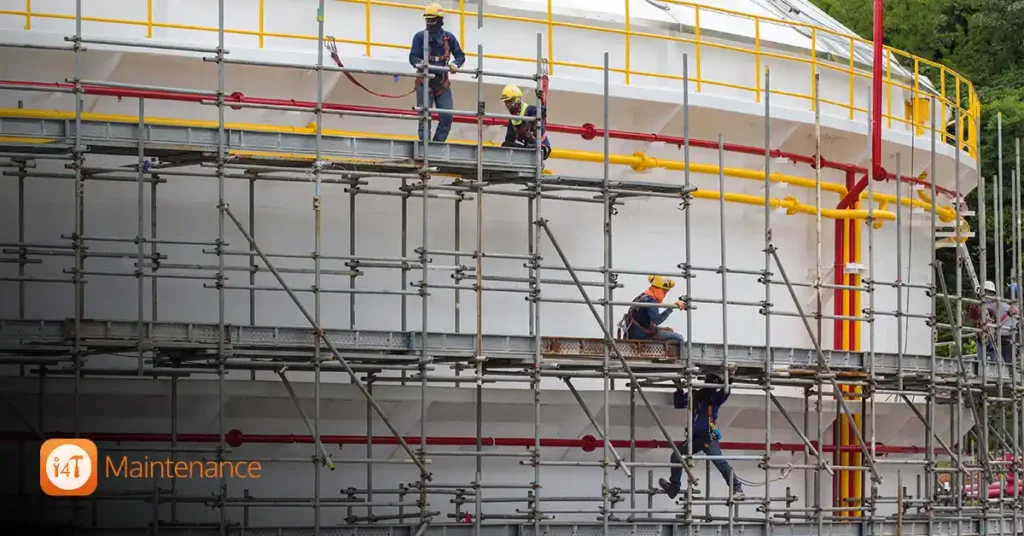
In older strata buildings, it’s common to find “patchwork” repairs done at different times by different trades, often at premium rates. One of the simplest budget-friendly maintenance ideas for older strata buildings is to bundle works and negotiate better.
For example, instead of repairing balconies one at a time as they fail, you may get a better rate by doing several at once. The same applies to repainting, waterproofing, window replacements and even minor repairs like door hardware.
Preferred contractor panels and competitive quoting also help ensure you’re getting value, not just the first available tradie.
Some cost-saving tactics include:
- Group similar jobs (e.g. all external painting or all balcony repairs) into one project.
- Seek at least 2–3 quotes for significant works, comparing scope and warranties, not just price.
- Build relationships with reliable contractors who know your site and offer consistent pricing.
- Use digital tools to issue work orders, track quotes and compare contractor performance over time.
6. Use Technology to Track Jobs, Spend and Contractor Performance
Manual spreadsheets, email chains and paper folders are not your friend when you’re managing an ageing building with a lot going on. Things get missed. Jobs are duplicated. Invoices slip through the cracks. And it becomes almost impossible to see where the money is really going.
A dedicated strata maintenance management platform like i4T Maintenance brings everything into one place. You can log maintenance requests, assign work orders, track job progress, record photos, store invoices, and monitor budgets, all in real time.
This kind of visibility is crucial when you’re trying to reduce strata maintenance costs without compromising outcomes: you can see which assets are failing repeatedly, which contractors are delivering value, and where preventive tasks are being skipped.
How technology helps in practice:
- Centralises all maintenance requests, work orders and histories for each building.
- Tracks spend by asset (e.g. lifts, roofs), trade (plumbing, electrical) or building area.
- Provides dashboards and reports you can share with committees and owners.
- Reduces admin time for strata managers so more effort goes into planning, not chasing paperwork.
7. Engage Owners Early and Communicate Transparently
Even the best maintenance plan will stall if owners don’t support it. In older buildings, this can be especially challenging; many residents are on fixed incomes, and some have been living there for decades.
The key is early, clear and honest communication. When owners understand the condition of the building and the financial consequences of inaction, they are far more likely to support necessary works and realistic levies.
Use simple language, avoid technical jargon, and show the bigger picture: “If we fix this now, here’s what we avoid later.”
Practical communication ideas:
- Share a one-page summary of the building’s condition and upcoming major works each year.
- Use simple charts from your maintenance software to show spend, trends and priorities.
- Explain “spend a little now vs. spend a lot later” with real examples from your building.
- Invite questions and feedback ahead of AGMs, not just on the night.
8. Tap into Energy Efficiency and Modernisation Upgrades
Not all upgrades are pure cost; some of them pay for themselves through reduced running costs, lower maintenance, and improved liveability. This is especially true for common property services in older strata buildings.
Energy-efficient lighting, variable-speed pumps, timers, sensors and solar can all help reduce electricity bills and strain on ageing systems. At the same time, improvements like better access control, CCTV, or intercom upgrades can boost perceived value and security.
When you assess these options properly, you’ll find many are genuinely budget-friendly maintenance ideas for older strata buildings, especially over a 3–7 year horizon.
Good candidates for “spend now, save later” upgrades:
- LED lighting upgrades in common areas, car parks and pathways.
- Timers, sensors and smart controls on lighting, ventilation and pumps.
- Solar for common area power, where roof space and structure allow.
- Upgraded building services that include longer warranties and lower maintenance needs.
9. Regularly Review Contracts, Service Agreements and Insurance

Older buildings can quietly bleed money through outdated contracts, automatic rollovers and policies that no longer match the building’s risk profile. A periodic review of service contracts and insurance can unlock surprising savings – or at least ensure you’re getting proper value for what you pay.
Start with the big-ticket items: cleaning, landscaping, lift maintenance, HVAC servicing, waste management and strata insurance. For each, ask: Is the scope still right for the building? Are we using the service effectively? Would re-tendering or renegotiating produce better outcomes?
This is not about always choosing the cheapest provider, but about aligning cost with genuine value for an older asset.
Start with some smart review steps:
- Calendar a contract review every 2–3 years for major services.
- Check actual performance against contract scope and KPIs.
- Seek alternative quotes where appropriate, focusing on value, safety and reliability.
- Use your maintenance platform to compare contractor response times, completion rates and owner feedback.
Older Doesn’t Have to Mean Expensive or Unsafe
Ageing strata buildings are a reality across Australia, and they’re not going away. The good news is that “old” doesn’t have to mean “unmanageable” or “unaffordable”.
By getting a clear picture of building condition, prioritising safety and compliance, shifting from reactive to preventive maintenance and managing budgets wisely, you can significantly improve building performance and comfort while keeping a tight grip on costs.
That’s the real heart of budget-friendly maintenance ideas for older strata buildings and practical ways to reduce strata maintenance costs.
If you’re ready to bring more structure and visibility to maintenance in your older strata buildings, i4T Maintenance can help.
Our strata maintenance management software is designed to help managers and committees:
- Log, track and prioritise all maintenance requests in one place
- Build and manage preventive maintenance schedules and capital works programs
- Compare contractor quotes, performance and costs across your portfolio
Generate clear reports and dashboards for committees and owners
Want to see how this could work for your schemes?
Book a demo of i4T Maintenance and discover how smarter planning and better data can keep your ageing buildings safe, compliant and budget-friendly for years to come.
FAQs
Focus on safety and compliance first, then use preventive maintenance, multi-year planning and bundled works to cut waste. Look for savings in how you schedule and manage jobs, not by skipping essential tasks.
Begin with a professional condition assessment and a simple asset register. Use that to build a 3–5 year capital works plan, then review and refine it each year as you learn more.
At least annually, usually in the lead-up to your AGM. However, major events (like a new condition report or significant defect discovery) should trigger an earlier review.
Yes. Digital maintenance platforms reduce admin time, prevent things from slipping through the cracks, highlight recurring issues, and make it easier to plan preventive work instead of reacting to emergencies.
Committees should lead planning and prioritisation, while owners need to be informed and engaged. Open communication, clear reports and early discussion of upcoming works help build support for realistic budgets and long-term planning.