
Maintenance rework is a recurring headache in strata management across Australia. Property managers often grapple with repeat callouts for the same issue, unclear contractor updates, missing site photos, resident complaints, confusion around approvals, invoice disputes, and a frustrating inability to prove what exactly happened on each job.
A work order management system is a powerful way to tackle these challenges head-on. A digital work order management system helps strata managers control maintenance rework by keeping job details, contractor instructions, approvals, photos, updates, invoices, and completion records in one central, trackable place.
What Is a Work Order Management System?
Simply put, a work order management system is a digital tool that helps property and strata managers handle maintenance jobs efficiently. It allows managers to create, assign, track, document and close work orders all in one place.
This software streamlines communication between managers, contractors, owners, and residents by consolidating important information and progress updates. Beyond individual tasks, a good work order management solution can be part of broader property maintenance software that includes asset management, scheduling, budgeting, and reporting.
Why Maintenance Rework Is a Major Challenge for Strata Managers
Maintenance rework causes significant operational headaches. When the same maintenance task needs repeating, it amplifies administrative work and stresses already busy strata managers.
Residents get frustrated receiving repeated visits with no clear explanation or resolution. Committees demand detailed updates and justifications, which takes extra communication effort. Costs escalate as contractors revisit jobs and new invoices come in. Contractor accountability becomes tougher without clear records of what was done and why it failed the first time.
The pressures are real for Australian strata teams managing multiple buildings and diverse stakeholders.
How a Work Order Management System Helps Control Rework
A digital work order management system helps strata managers gain control over maintenance rework through comprehensive documentation and clear workflows. Firstly, it creates a clear record of the original maintenance work order, ensuring all details about the scope, timing and conditions of the job are captured.
This clarity allows managers to determine whether an issue is true rework or a new maintenance problem, preventing unnecessary duplicate jobs. The system keeps photos, job notes, approvals, invoices and contractor updates all in one unified place accessible whenever needed.
Contractor accountability improves because the scope, due dates, access instructions and completion requirements are clearly defined and tracked. Managers navigate reduced manual follow-ups by seeing job statuses updated in real time.
Better communication flows to committees, residents and owners means all stakeholders stay informed and reassured about progress.
The platform supports cost control by linking quotes, approvals, variations, invoices, warranties and rework costs, making it easy to compare expected versus actual expenses.
Finally, it can identify recurring maintenance issues by tracking asset, building and contractor patterns, enabling proactive management of problem areas and stronger vendor relationships.
Key Features Strata Managers Should Look for in Work Order Software
When searching for the right work order management solution, strata managers should prioritise software tailored to real-world property maintenance needs rather than basic task lists. Essential features include easy maintenance request intake that captures all necessary details upfront.
Contractor assignment tools should allow quick matching of jobs to the right tradies with access and scheduling notes. Job status tracking is crucial so managers can monitor progress step-by-step, including photo and document uploads that prove completion and site conditions.
Integrated quote and approval workflows make cost control seamless while rework tracking flags recurring problems promptly.
Automated notifications help keep contractors, residents and committees updated without extra manual effort. Invoice matching ensures payments align with actual work completed, minimising disputes.
An audit trail records every update, timestamp, and approval for compliance and accountability. Mobile access empowers contractors in the field to update jobs and upload evidence immediately.
Reporting and analytics provide insights into maintenance trends, costs and contractor performance, while building and asset histories give context for better decision-making.
Together, these features provide strata teams end-to-end control over maintenance workflows that drive efficiency and reduce rework.
Manual Tracking vs a Digital Work Order Management System
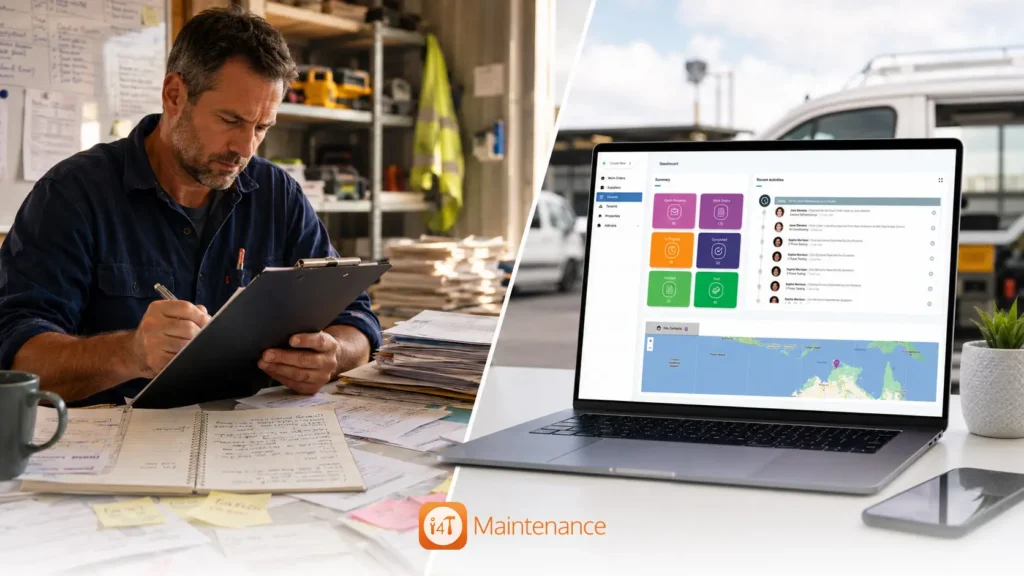
Manual tracking methods like spreadsheets, emails and paper files fall short in managing maintenance rework effectively. Job histories are often incomplete or misplaced, making it difficult to spot repeat issues or contractor performance problems.
Rework tracking is cumbersome without a central system, causing delayed resolutions. Committee updates require time-consuming data gathering, and cost control is error-prone due to disconnected invoices and approvals.
Disputes over job completion or billing become hard to resolve without clear evidence, and preparing for audits demands excessive effort.
In contrast, a digital work order management system centralises all these elements into a streamlined, accessible platform that makes managing multiple buildings, contractors, residents and committees much simpler and more transparent.
How Digital Work Orders Improve Compliance and Audit Trails
Compliance is a critical part of strata management. A digital work order management system ensures all maintenance actions are recorded with supporting evidence such as photos, safety notes, communication logs, approvals, and invoices.
This digital audit trail not only helps managers handle inquiries from owners, committees, insurers, auditors or regulators but also reduces risks related to insurance claims and regulatory compliance.
Having a trusted record of dates, times and responsible parties fosters accountability and peace of mind across the property management business.
Common Mistakes Strata Managers Make When Managing Rework
Many strata managers treat every repeat maintenance request as a brand new job, missing opportunities to connect issues and manage contractors more effectively. Often, rework is not linked back to the original job, causing fragmented records.
Closing work orders without proper completion evidence leads to disputes and recurring resident complaints. Approving invoices too early, before confirming work quality, exposes the property to unnecessary costs.
Relying solely on email for communication creates information gaps and lost updates. Without regular contractor performance tracking, poor workmanship can go unchecked.
Some managers fail to review recurring maintenance patterns, missing early warnings of systemic problems. Using spreadsheets instead of specialised property maintenance software makes handling all these variables harder and less reliable.
How to Implement a Work Order Management Solution in a Strata Business
Implementation doesn’t need to be complex. Strata teams can start by standardising maintenance categories to streamline job classification and reporting. Creating clear job statuses like ‘requested’, ‘in progress’, ‘awaiting approval’, and ‘completed’ helps everyone understand a job’s stage.
Next, require photographic or documented evidence before officially closing jobs to ensure quality. Training contractors on using the system ensures updates and photos are timely and accurate.
Regularly reviewing rework trends, perhaps monthly, lets managers spot repetitive issues and act proactively. Reporting these trends to committees improves transparency and encourages investment in long-term solutions.
Frequently Asked Questions
A work order management system is digital software designed to help strata and property managers create, track, approve, and document maintenance work efficiently in one central platform.
Work order software helps by keeping detailed records of all maintenance tasks, linking rework orders to original jobs, providing real-time status updates, and improving communication between managers, contractors, and residents.
Tracking rework is vital because it reduces repeat jobs, controls costs, ensures contractor accountability, and helps identify recurring problems that need permanent fixes.
A maintenance work order is the initial job request to fix an issue, while a rework order refers to follow-up work needed when the original job was not completed properly or the problem recurs.
Yes, property maintenance software improves transparency and communication, ensuring residents are updated promptly and issues are addressed efficiently, which reduces complaints.
Strata managers should look for a work order management solution that supports maintenance workflows, includes contractor communication, rework tracking, approvals, invoicing, and reporting capabilities.