
Share this article

Table of Contents

How to Build a Maintenance Approval Workflow for Strata Committees: The Essential Guide

How to Build a Maintenance Approval Workflow for Strata Committees: The Essential Guide

Table of Contents

Key Takeaways

  • Implementing a structured workflow prevents delays and enhances transparency.

  • Use strata maintenance management software to automate and streamline the process.

  • Define clear roles and responsibilities to ensure accountability.

  • Document every step for compliance management under Australian law.

Key Answer

Learn to build a maintenance approval workflow for strata committees to optimise efficiency, enhance transparency, and ensure compliance with Australian standards.

Creating a streamlined, efficient maintenance approval workflow is crucial for any strata committee. By leveraging modern tools like strata maintenance management software, you can significantly reduce delays, boost transparency, and uphold accountability. This guide walks you through the essential steps to build a workflow that enhances compliance management and streamlines operations for Australian strata managers.

Why Strata Committees Need a Maintenance Approval Workflow

Strata committees face the challenge of managing numerous maintenance requests while ensuring accountability and transparency. A maintenance approval workflow is essential for organising these tasks, preventing bottlenecks, and maintaining a high standard of compliance management.

Without a structured workflow, committees risk delays and inefficiencies, which can impact property value and safety. By implementing a workflow, you ensure that every maintenance task is accounted for, with clear steps from issue identification to resolution.

Types of Maintenance That Require Different Approval Paths

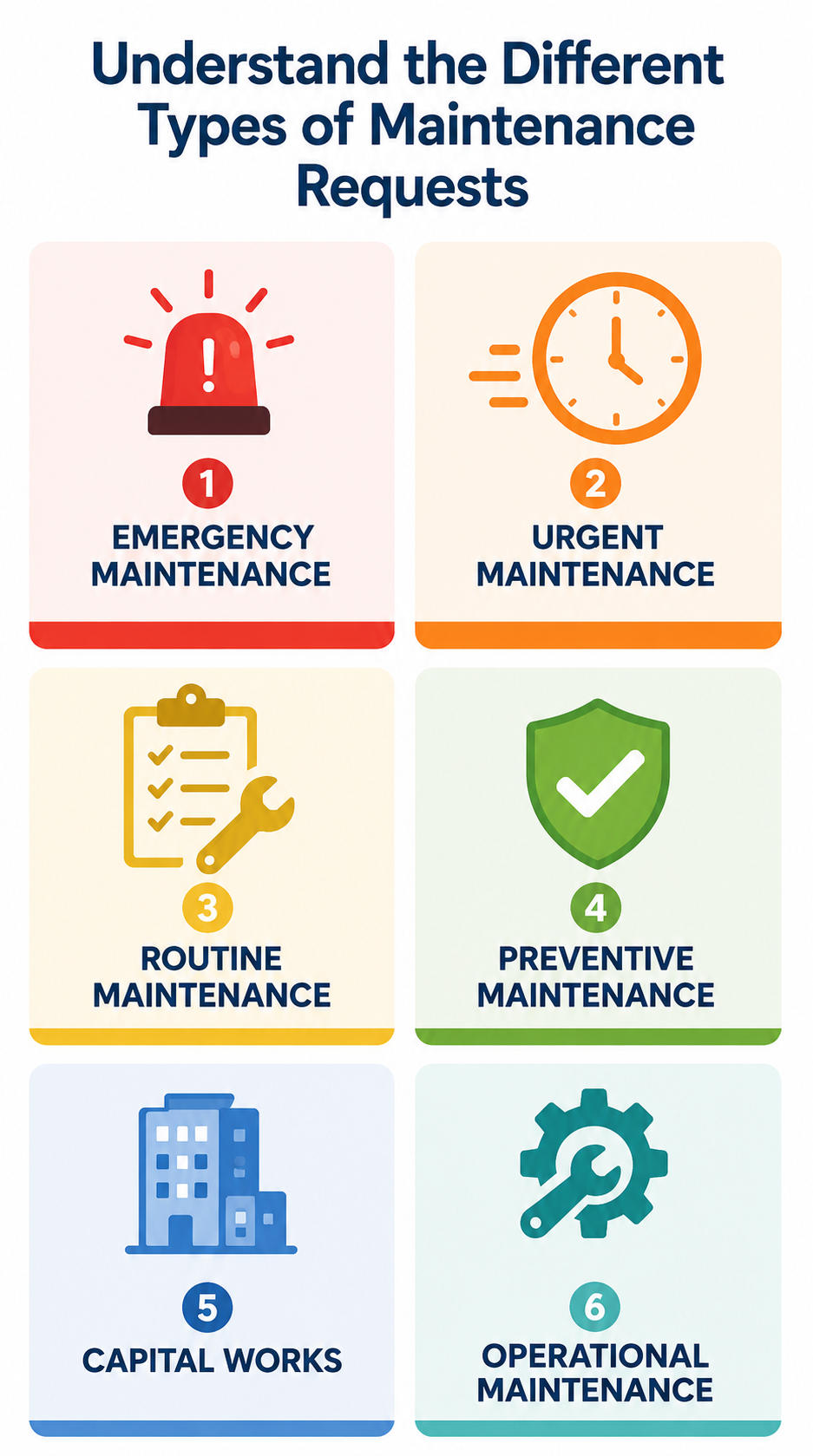
Maintenance in strata communities typically falls into several categories: routine, urgent, and emergency. Each type requires a distinct approval path. For instance, routine tasks might include gardening or minor repairs, while urgent tasks could involve plumbing issues that risk property damage if not addressed promptly.

Emergency maintenance, like structural damage, demands immediate attention and may require bypassing standard approval steps to ensure resident safety. Understanding these categories helps in setting up appropriate workflow paths for each type, reducing decision-making time.
r2u9jjKMgcs6BIiwJ67CP6GGO9HhtGz2ZTkcUPsv.png

Define Roles and Approval Responsibilities

Defining clear roles and responsibilities within the strata committee is paramount for efficient workflow management. Each member should understand their specific duties, whether it involves initial request assessments or final approval.

Assign roles such as maintenance coordinator, financial approver, and compliance officer. This clarity not only speeds up the approval process but also ensures everyone is accountable for their part in the workflow.

Build a Step-by-Step Approval Workflow

Creating a step-by-step workflow involves mapping out each stage of the approval process. Start with logging maintenance requests using strata maintenance management software, which allows for easy tracking and communication.

Next, categorise the request based on urgency, followed by an initial assessment. The workflow should include financial approval, contractor selection, and scheduling. Finally, post-maintenance verification ensures the task was completed to standard, closing the loop with feedback documentation.

Set Approval Rules That Prevent Delays

To prevent delays, establish clear rules on approval thresholds. For example, routine tasks below a specific dollar limit might be approved by a single committee member, while larger expenses require collective approval.

Incorporate fast-track procedures for urgent repairs impacting safety, ensuring they receive immediate attention without bureaucratic holdups. Automating notifications and reminders through strata maintenance management software can further expedite this process.

Improve Compliance Management Throughout the Process

Compliance management is integral to the maintenance approval workflow. Each step should be documented to meet legal requirements under Australian strata law, such as the Strata Schemes Management Act.

Use digital tools to create an audit trail, recording all communications and decisions. This not only enhances transparency but also safeguards against potential disputes or legal challenges.

How Strata Maintenance Management Software Automates Approvals

Modern strata maintenance management software like i4T Maintenance automates many facets of the approval workflow. By centralising requests and digitising the approval process, these tools drastically reduce manual input and errors.

Software solutions offer features like automated alerts for pending approvals, financial tracking, and compliance monitoring, making it easier for strata committees to manage maintenance efficiently.

Best Practices for Faster, More Transparent Decisions

Adopting best practices can significantly enhance the speed and transparency of decisions within your strata committee. Regular training sessions on using maintenance software, clear communication channels, and setting realistic deadlines for task completions are vital.

Additionally, regular performance reviews of the workflow can identify bottlenecks and areas for improvement, ensuring the process remains efficient and effective.

Schedule your demo now and see i4T Maintenance in action.

Frequently Asked Questions

Strata maintenance management software is a tool designed to streamline and automate the maintenance request and approval process for strata properties, enhancing efficiency and compliance.

A maintenance approval workflow is crucial for organising tasks, ensuring accountability, and preventing delays, ultimately protecting property value and resident safety.

Improving compliance management involves documenting each step, using digital tools for an audit trail, and ensuring all decisions comply with legal requirements.

Automation reduces manual errors, speeds up approvals, centralises data, and enhances transparency, allowing for efficient management of maintenance tasks.

Emergency approvals often require bypassing standard procedures to address urgent safety issues immediately, while routine approvals follow a more structured process.

Scroll to Top
i4T Maintenance  Australia
Privacy Overview

This website uses cookies so that we can provide you with the best user experience possible. Cookie information is stored in your browser and performs functions such as recognising you when you return to our website and helping our team to understand which sections of the website you find most interesting and useful.