
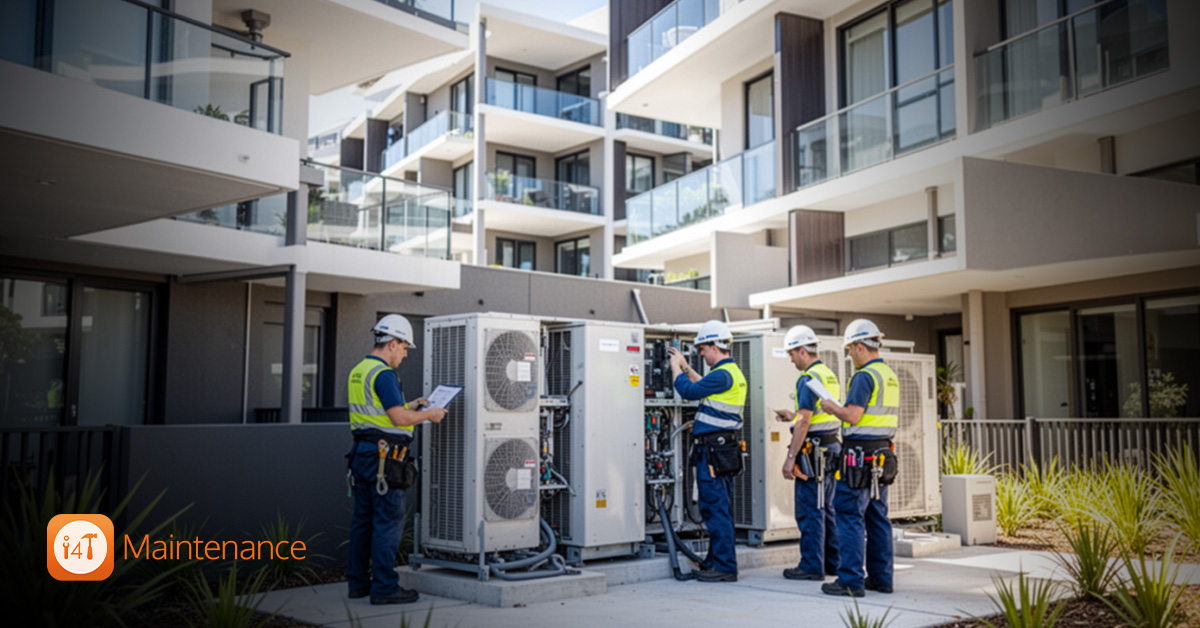
Managing strata properties in Australia comes with its own unique set of challenges. Strata managers must juggle maintenance schedules, legal obligations, safety concerns, and tenant expectations—all while ensuring the property stays compliant with ever-evolving regulations.
Understanding and organising these responsibilities can be overwhelming, especially when navigating complex strata safety requirements and property maintenance compliance. However, having a clear and practical strata compliance checklist for Australia can make this task manageable and efficient.
This guide is designed to help strata managers, both experienced and new, gain clarity on the key maintenance checks and legal considerations that keep your community safe, compliant, and well-maintained.
1. Understand Your Legal Obligations for Strata Compliance
The foundation of any effective strata compliance checklist for Australia is a solid understanding of your legal obligations. Requirements may vary slightly between states and territories, so it’s essential to familiarise yourself with local legislation such as the Strata Schemes Management Act and related regulations.
Key legal duties include timely maintenance, ensuring fire safety equipment is compliant, and managing common property responsibly.
- Regularly review local strata laws and amendments
- Keep up to date with fire safety and building codes
- Document compliance activities for audits and inspections
2. Schedule Routine Property Maintenance Checks
Preventative maintenance is critical for reducing costly repairs and avoiding non-compliance. Incorporate a cyclical schedule to inspect and service key elements of the property.
Routine checks allow you to identify issues early, keep residents safe, and maintain the value of the strata property.
- Inspect roofing, gutters, and external building structures
- Test and service lifts, emergency exits, and access points
- Maintain common garden areas and pathways
3. Prioritise Fire Safety and Emergency Systems
Fire safety is a top priority under strata safety requirements. Compliance involves regular inspections and testing of smoke alarms, sprinkler systems, fire extinguishers, and emergency lighting.
Ensure your property has a clear and updated fire safety plan, accessible to all occupants.
- Verify compliance with fire alarm testing schedules
- Service and replace fire extinguishers as required
- Inspect escape routes and emergency signage
4. Maintain Electrical and Plumbing Systems Safely
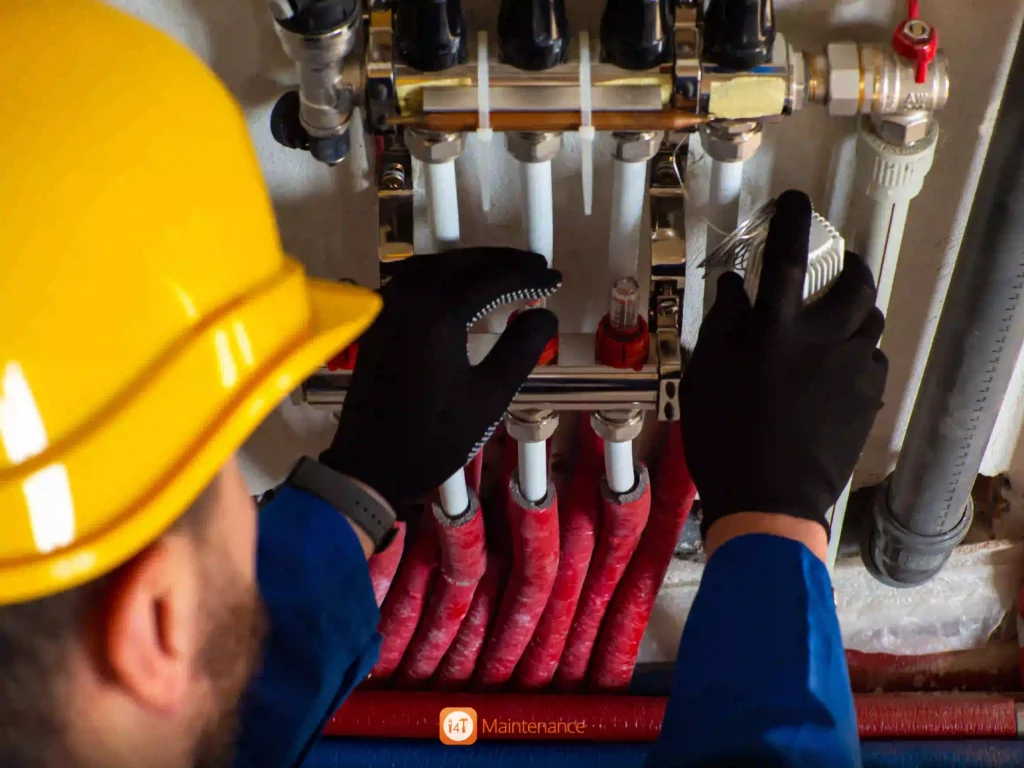
Faulty electrical and plumbing systems pose safety risks and potential compliance breaches. Regular checks on wiring, switchboards, water meters, and drainage systems help prevent emergencies.
Engage licensed professionals for detailed inspections and repairs.
- Schedule annual electrical safety inspections
- Monitor water leaks and water pressure issues promptly
- Ensure compliance with Australian electrical standards
5. Manage Waste and Pest Control Effectively
Proper waste management and pest control are crucial for public health and compliance with environmental regulations.
Routine inspections and services can reduce risks of infestations and ensure hygienic community living.
- Organise regular rubbish bin cleaning and collection
- Schedule inspections for common pest problems like rodents and termites
- Maintain clear communication with residents about waste disposal rules
6. Ensure Compliance Documentation Is Complete and Accessible
Keeping accurate records is more than a good habit—it’s a compliance requirement. Proper documentation demonstrates due diligence and provides evidence during audits or disputes.
Organise records of maintenance, inspections, certifications, and communications.
- Maintain digital and physical copies of all compliance reports
- Track expiry dates of certificates and licences
- Create a transparent reporting system for strata owners and residents
7. Develop a Clear Communication Strategy With Residents and Vendors
Effective communication reduces confusion and builds trust. Keep residents informed about scheduled maintenance, safety drills, and updates on strata safety requirements.
Coordinating with vendors ensures timely service delivery that supports property maintenance compliance.
- Send regular newsletters or updates about compliance efforts
- Use consistent channels to notify residents of inspections or repairs
- Maintain a vendor contact list with verified credentials and insurance
8. Conduct Risk Assessments and Implement Mitigation Plans
Regular risk assessments identify hazards that might otherwise be overlooked. These form a vital part of strata safety requirements and help protect residents and property.
Risk mitigation could include installing signage, improving lighting, or upgrading faulty infrastructure.
- Assess fire, slip, trip, and fall hazards regularly
- Address high-risk maintenance tasks promptly
- Review risk controls annually and update as necessary
9. Train Staff and Committee Members on Compliance Practices
Well-trained staff and committee members are essential to enforce strata compliance effectively. Offering regular training sessions builds awareness and accountability.
Training should cover legal updates, emergency response, and best practices for property maintenance compliance.
- Host refresher courses on strata laws and obligations
- Conduct emergency drills involving staff and residents
- Provide resources and guides for new committee members
10. Use Technology to Simplify Compliance Management
Modern maintenance management software can greatly reduce administrative burdens. Tools like i4T Maintenance streamline scheduling, tracking, and reporting, helping strata managers maintain compliance efficiently.
Adopting technology improves transparency, reduces errors, and frees up time for more critical tasks.
- Automate reminders for inspections and maintenance tasks
- Store all compliance documents in one secure system
- Generate easy-to-understand compliance reports for owners and regulators
Frequently Asked Questions
The most important aspect is ensuring all legal and safety obligations are met consistently, including regular maintenance and risk management.
Fire safety equipment should be inspected regularly, typically every six months to a year, following local regulations.
While basic visual inspections can be done by strata managers, licensed professionals are recommended for specialised inspections and repairs.
No, requirements can differ based on the state or territory, so confirm specific obligations locally.
Technology automates scheduling, documentation, and reporting, making it easier to stay organised and meet compliance deadlines.
Address issues promptly by scheduling repairs, notifying residents if necessary, and documenting the actions taken.
Yes, training helps members understand their responsibilities and effectively manage strata safety requirements.